Articles

Noble Eyes Blog

Noble Eyes Blog is your trusted source for informative articles, expert insights, and valuable tips related to eye health and vision care. Explore a wealth of knowledge on topics ranging from eye conditions, vision correction options, to maintaining optimal eye wellness. Stay informed and prioritize your eye health with our engaging and educational blog content.

Hybrid Contacts

Hybrid Contacts

Contact lenses have become a popular choice for individuals who want to correct their vision without the hassle of wearing glasses. Traditional contact lenses have been around for decades, offering a convenient alternative to eyeglasses. However, advancements in technology have given rise to a new type of contact lens – hybrid contacts.
 

What Are Hybrid Contacts?

Hybrid contacts are a revolutionary type of contact lens that combine the best features of both soft and rigid gas permeable (RGP) lenses. The rigid center corrects vision by providing precise clarity, while the soft skirt offers comfort and stability. This unique combination allows for the benefits of both types of lenses to be experienced simultaneously.

The central RGP lens of a hybrid contact is made from a rigid material that allows oxygen to pass through to the cornea, ensuring ample oxygen supply to the eyes. This ensures the overall health of the eyes, preventing dryness and reducing the risk of complications associated with limited oxygen flow.

Read more
Post-Concussion Syndrome

Post-Concussion Syndrome

Post-concussion syndrome (PCS) is a complex condition that can occur after a traumatic brain injury (TBI), such as a concussion. While the initial injury may have healed, the lingering symptoms can significantly impact your daily life, making it challenging to return to your normal routines and activities.

What is Post-Concussion Syndrome?

Post-concussion syndrome is a collection of physical, cognitive, and emotional symptoms that can persist for weeks, months, or even years after a head injury. Unlike the typical recovery from a concussion, which usually resolves within a few days or weeks, PCS can be a prolonged and debilitating experience. The symptoms of PCS can vary widely from person to person, making it a complex and often misunderstood condition.

Causes of Post-Concussion Syndrome

One of the primary causes of post-concussion syndrome is the disruption of the brain’s normal function due to the injury itself. When the brain experiences trauma, it can lead to a variety of biochemical and structural changes, which may cause the ongoing symptoms of PCS. The severity of the concussion does not always correlate with the likelihood of developing PCS; even minor concussions can lead to prolonged post-concussion symptoms in some individuals.

Another contributing factor to PCS may be related to the individual’s psychological response to the injury. Anxiety, stress, and pre-existing mental health conditions can exacerbate the symptoms of PCS and prolong the recovery process. People who have a history of migraines, anxiety disorders, or depression may be more prone to developing post-concussion syndrome.

Recognizing the Symptoms of Post-Concussion Syndrome

The symptoms of post-concussion syndrome can be diverse and can vary in severity from person to person. Some of the most common symptoms include:
 

  • Physical Symptoms: Headaches, dizziness, nausea, sensitivity to light or sound, fatigue, and sleep disturbances.

  • Cognitive Symptoms: Difficulty concentrating, memory problems, slower processing speed, and reduced problem-solving abilities.

  • Emotional Symptoms: Irritability, mood swings, anxiety, depression, and increased emotional sensitivity.


The presence and severity of these symptoms can fluctuate over time, making it crucial to monitor your condition closely and communicate any changes to your primary care or eye doctor.

Read more
Corneal Refractive Therapy

Corneal Refractive Therapy

Corneal refractive therapy, also known as CRT, is a simple, painless treatment for refractive eye errors like myopia and has two core benefits. First, it can be used to help patients see clearly during the day without using glasses or contact lenses, giving them the freedom and flexibility that they need to live life to the fullest. Second, CRT has been shown to help slow the progression of myopia, keeping prescriptions under control and potentially reducing the likelihood of patients developing serious eye health problems associated with high myopia in the future. 

Here’s everything that you need to know about corneal refractive therapy and what it means for you. 
 

Understanding refractive eye problems

Refractive eye problems like nearsightedness, farsightedness and astigmatism are extremely common, with nearsightedness – also known as myopia – being the most common of all. Patients with myopia can see nearby objects clearly, but those further away become progressively more blurred. Refractive eye errors occur when the shape of the clear dome covering the front part of the eye, called the cornea, impair the light-bending and focusing process in your eyes. This leads to the light ending up in the wrong place inside the eye, and the message that is sent to our brain from our eyes is muddled, causing blurred vision. 
 

What is corneal refractive therapy?

Corneal refractive therapy was initially developed as a treatment to correct and slow the progression of nearsightedness. However, it has also been found to be effective at controlling other refractive errors, including farsightedness, astigmatism and an age-related refractive condition called presbyopia.

CRT is a non-invasive, painless and straightforward method of correcting patient vision so that they don’t need to wear contacts or glasses, and they don’t need laser vision correction surgery to see clearly. CRT uses special contact lenses that are worn overnight and apply light pressure to the cornea in order to reshape it so that light is refracted correctly, and the image sent from the eyes to the brain is clear. The cornea is able to retain this new shape even after the contact lenses are removed the next morning, meaning that you can continue to see clearly for several hours. The more consistently you wear your CRT lenses overnight, the longer your eyes will learn to retain their new shape and eventually, patients can enjoy up to 48 hours of clear vision without using prescription lenses. However, the effects aren’t permanent so if you stop wearing the lenses, your vision will gradually return back to normal over the course of a few days. 
 

Slowing the progression of myopia with corneal refractive therapy

Another key benefit of CRT is that it can actually help to slow the progression of myopia. Most people who are nearsighted find that their eyesight gets progressively worse as they get older. This deterioration may not be rapid, but it can end in patients requiring high prescriptions. Studies have found that patients who have high myopia are more likely to develop serious eye problems in the future, including glaucoma, macular degeneration, cataracts and a detached retina. Regular use of your corneal refractive therapy lenses could help keep your prescription stable and lower your risk of developing these problems. 

Read more
Nuance Audio Frames

Nuance Audio Frames

Technology continues to blur the lines between style and functionality - and Nuance Audio frames are a perfect example of this evolution. Designed to look like everyday eyewear, these innovative glasses feature built-in hearing enhancement technology that helps users hear conversations clearly while maintaining natural, effortless vision.
 

What Are Nuance Audio Glasses?

Nuance Audio are smart eyeglasses designed to provide both vision correction and enhanced hearing. Developed by Nuance Hearing, these glasses discreetly integrate directional microphones, miniature speakers, and Bluetooth connectivity into the frame - allowing wearers to improve their hearing experience without traditional hearing aids. By combining hearing technology with fashionable eyewear, Nuance Audio glasses offer a seamless, everyday solution for individuals who want better hearing support without drawing attention to their device.
 

How Nuance Audio Glasses Work

The technology behind Nuance Audio glasses focuses on selective sound amplification and speech clarity. The glasses use beamforming microphones to focus on voices in front of the wearer while reducing background noise. The enhanced sound is then transmitted through tiny speakers near the ears, allowing users to hear clearly without the occlusion effect common with in-ear devices.
 

This open-ear design keeps the ear canals unobstructed, promoting natural hearing while boosting important speech frequencies - ideal for conversations in noisy environments like restaurants or social gatherings.
 

Personalized Control from Your Phone

What sets Nuance Audio apart is their easy-to-use ability ability to personalize and fine-tune your hearing experience directly from your smartphone. Through the Nuance Audio app, users can adjust sound levels, change listening modes, and even customize the direction of sound focus. Whether you’re watching TV, attending a meeting, or spending time outdoors, you can easily switch between settings for optimal clarity and comfort - all from the palm of your hand.

Read more
Newton

Newton

Newton™

Newton™, formerly Neurolens®, is the first and only prescription lenses that include an element of contoured prism in their design. This prism is designed to bring the patient’s eyes into more equal alignment, and this should help to provide relief from the symptoms that are associated with several eye misalignment conditions, including digital eye strain and binocular vision dysfunction.

What is digital eye strain?
Digital eye strain is the name given to describe a group of symptoms that can occur when someone spends long periods of time using digital devices. Since using digital devices requires the eyes to work harder than normal and we don’t always position our devices the perfect distance away, it can lead to issues such as eye pain, dry and irritated eyes, eye fatigue, light sensitivity, and blurred vision. Unsurprisingly, the number of people who are experiencing digital eye strain has grown significantly over the last few years and is expected to continue to do so.

What is binocular vision dysfunction?
Binocular vision dysfunction, also known as BVD for short, is another eye condition but is one that is very misunderstood. Binocular vision dysfunction occurs when the eyes aren’t perfectly aligned, causing your brain and eyes to work harder than normal in order to create a clear visual image and remain focused. This places pressure on the trigeminal nerve, which is the nerve that is responsible for the majority of the sensations that we experience in our head and back. BVD can often manifest as other things owing to the huge range of symptoms that are associated with the condition. These can include, but aren’t limited to:
 

  • Blurred vision

  • Headaches/migraines

  • Double vision

  • Motion sickness

  • Vertigo

  • Dizziness

  • Anxiety


Many people don’t think to visit an eye doctor when they are experiencing these symptoms, but all can occur simply because the eyes are out of alignment.

Read more
InfantSEE

InfantSEE

InfantSEE

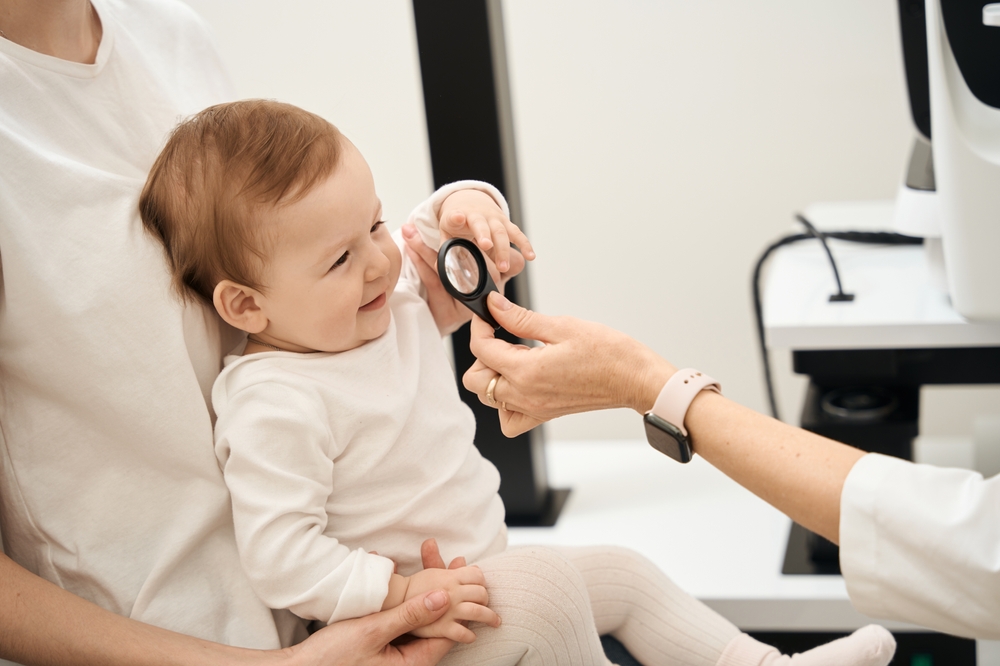
Your baby’s vision develops quickly during the first year of life and plays an important role in how they learn, move, and interact with the world. Even when a baby’s eyes appear healthy, certain vision or eye health concerns may not be obvious without a comprehensive infant eye assessment. InfantSEE is designed to help identify potential concerns early, giving parents peace of mind and helping children start life with the clearest, healthiest vision possible.


What Is InfantSEE?

InfantSEE is a program that helps parents access an early, comprehensive eye and vision assessment for babies between 6 and 12 months of age. It is designed to support healthy visual development by giving us an opportunity to check for early signs of vision or eye health concerns during a critical stage of growth.

The assessment is provided at no cost, making early eye care more accessible for families who want to be proactive about their baby’s vision.


The Importance of Early Vision Care

Many parents are surprised to learn that babies can have vision or eye health issues even before they are old enough to talk or read an eye chart. An infant may still track faces, reach for toys, or appear visually engaged while having an underlying concern that needs attention.

Early eye care can help detect signs of:

  • Eye alignment problems, such as crossed or turned eyes

  • Significant nearsightedness, farsightedness, or astigmatism

  • Eye movement or focusing concerns

  • Amblyopia risk factors, often called lazy eye

  • Signs of eye health conditions that may need monitoring or treatment


Finding these concerns early can make treatment more effective and may help support long-term visual development.
 

Read more
Urgent Eye Care

Urgent Eye Care

Urgent eye care encompasses prompt evaluation and treatment of sudden or severe eye-related issues, including foreign object removal, chemical exposure, corneal abrasions, sudden vision loss, eye trauma, acute glaucoma, chemical burns, and eye infections. Seeking immediate professional attention from an optometrist is vital to prevent further damage and preserve vision.
 

Common Eye Emergencies or Urgent Eye Care Appointments

Eye emergencies can manifest in various forms, and it is essential to be able to identify them quickly. Some common eye emergencies include:

  • Foreign Object in the Eye: Particles, debris, or small objects can become lodged in the eye, causing pain, redness, tearing, and potential damage to the eye's surface.

  • Corneal Abrasions or Scratches: Injuries to the cornea, such as abrasions or scratches, can cause severe eye pain, light sensitivity, and a feeling of something in the eye.

  • Sudden Loss of Vision: Any sudden and unexplained loss of vision requires immediate attention to determine the underlying cause and initiate appropriate treatment.

  • Eye Trauma or Blunt Force Injury: Injuries to the eye from impact, trauma, or accidents can lead to serious complications, including retinal detachment, hemorrhage, or intraocular foreign bodies.

  • Chemical Burns: Exposure to caustic substances or chemicals can cause serious damage to the eyes, resulting in pain, redness, and potential vision loss.

  • Eye Infections: Infections such as conjunctivitis (pink eye) can cause redness, discharge, and discomfort in the eyes.
     

Recognizing these symptoms and seeking urgent care can prevent further complications.
 

The Importance of Basic Red Eye Exams in Urgent Care

Red eye exams are a fundamental part of urgent eye care. They help identify the cause of redness and determine the appropriate treatment. Basic red eye exams involve a comprehensive evaluation of the eye, including examining the eyelids, conjunctiva, cornea, and iris. These exams aid in the diagnosis and treatment of various conditions, such as conjunctivitis, uveitis, dry eyes, and corneal abrasions.

Read more
Surgical Co-Management

Surgical Co-Management

In the realm of eye care, surgical co-management has emerged as a collaborative approach that aims to provide patients with comprehensive and seamless treatment. This concept involves the joint efforts of optometrists and ophthalmologists, each bringing their unique expertise to the table. By working together, these eye care professionals strive to enhance patient outcomes and deliver exceptional care.
 

The Role of Optometrist and Ophthalmologist in Surgical Co-Management

Surgical co-management is built upon the unique skill sets and areas of expertise of optometrists and ophthalmologists. By understanding their respective roles, you can appreciate the synergy that this collaborative approach fosters.

Optometrists are primary eye care professionals who specialize in the examination, diagnosis, and non-surgical treatment of vision disorders. Their responsibilities in surgical co-management include:

  • Performing comprehensive eye examinations and evaluations

  • Monitoring and managing pre-existing eye conditions

  • Providing pre-operative and post-operative care

  • Educating patients on surgical procedures and aftercare

  • Collaborating with ophthalmologists to ensure continuity of care
     

Ophthalmologists are medical doctors who specialize in the diagnosis, treatment, and surgical management of eye diseases and disorders. Their role in surgical co-management encompasses:

  • Evaluating patients' candidacy for surgical interventions

  • Performing complex surgical procedures

  • Providing specialized medical and surgical care

  • Collaborating with optometrists to ensure seamless patient care

  • Monitoring and managing post-operative complications

  • By combining the expertise of optometrists and ophthalmologists, surgical co-management ensures that patients receive comprehensive and coordinated care throughout their treatment journey.
     

How Surgical Co-Management Works

Surgical co-management is a well-orchestrated process that involves several key steps. Understanding how it works can help you navigate this collaborative approach with confidence.

  • Initial Evaluation: The process typically begins with an optometrist conducting a comprehensive eye examination. During this evaluation, the optometrist assesses the patient's visual needs, identifies any potential issues, and determines if a surgical intervention is necessary.

  • Referral and Consultation: If surgery is recommended, the optometrist refers the patient to an ophthalmologist for further evaluation and consultation. This step ensures that the patient receives specialized medical advice and a thorough assessment of their suitability for the proposed surgical procedure.

  • Pre-operative Care: The optometrist plays a crucial role in providing pre-operative care, which may include managing any existing eye conditions, ensuring the patient understands the surgical process, and addressing any concerns or questions they may have.

  • Surgical Procedure: The ophthalmologist performs the necessary surgical intervention, leveraging their specialized training and expertise in surgical techniques.

  • Post-operative Care: After the surgery, the patient's care transitions back to the optometrist, who closely monitors the recovery process and provides post-operative care and management. This may involve follow-up appointments, monitoring for any complications, and ensuring the patient adheres to the prescribed treatment plan.

  • Ongoing Collaboration: Throughout the entire process, the optometrist and ophthalmologist maintain open communication and collaborate closely. This ensures that the patient's care is seamless, and any concerns or issues are promptly addressed by the appropriate healthcare professional.

Read more
Ocular Aesthetics

Ocular Aesthetics

Ocular aesthetics, which focuses on improving the appearance of the eyes and the surrounding area, has gained significant popularity in recent years. Ocular aesthetics aims to rejuvenate the eyes, making them appear more youthful, vibrant, and refreshed. This can be achieved through advanced technology treatments that are designed to address specific concerns and enhance the overall appearance of the eyes.
 

Common Concerns in Ocular Aesthetics

There are several common concerns that individuals seek to address through ocular aesthetics. These concerns may be a result of natural aging, genetics, or lifestyle factors. One of the most common concerns is the appearance of wrinkles and fine lines around the eyes, commonly known as crow's feet. These lines can make you look older and tired.

Another common concern is the presence of dark circles and puffiness under the eyes. This can give the impression of fatigue and detract from the overall attractiveness of the eyes.
 

IPL and How it Works

Intense Pulsed Light (IPL) has emerged as a popular and effective treatment option in ocular aesthetics. IPL works by emitting high-intensity light pulses that target specific chromophores in the skin, such as melanin and blood vessels. This targeted approach allows for precise treatment of various concerns around the eyes.

IPL treatments can effectively address pigmentation irregularities, such as age spots and sun damage, which often contribute to an aged appearance. By targeting these concerns, IPL can help restore a more even skin tone and improve the overall aesthetics of the eyes.

IPL treatments are non-invasive and typically require minimal downtime. The number of sessions needed may vary depending on the specific concerns being addressed. By consulting your optometrist, you can determine the best treatment plan to achieve your desired ocular aesthetics.
 

Radiofrequency (RF) for Ocular Aesthetics

Radiofrequency (RF) treatments have gained significant popularity in ocular aesthetics due to their effectiveness in addressing various concerns around the eyes. RF works by delivering controlled radiofrequency waves into the deeper layers of the skin, stimulating collagen production and tightening the tissues.

One of the primary concerns that RF treatments can address is drooping eyelids. As we age, the skin around the eyes can lose elasticity, causing the eyelids to sag. RF treatments can effectively tighten the skin, resulting in a more youthful and lifted appearance. This can help restore the natural contour and symmetry of the eyes, enhancing their overall aesthetics.

RF treatments can also target under-eye bags, which can make the eyes appear tired and aged. By stimulating collagen production, RF can improve the overall tone and texture of the skin, reducing the appearance of under-eye bags and giving the eyes a more refreshed and vibrant look.
 

Exploring Low-Level Light Therapy (LLLT)

Low-Level Light Therapy (LLLT) has gained recognition in ocular aesthetics for its ability to promote cellular activity and stimulate collagen production. LLLT utilizes specific wavelengths of light that penetrate the skin, triggering a series of biological responses that can improve the health and appearance of the eyes.

LLLT treatments can effectively address concerns such as fine lines, wrinkles, and dark circles around the eyes. By stimulating collagen production, LLLT can help reduce the appearance of these concerns, resulting in a more youthful and vibrant look.

In addition to its anti-aging benefits, LLLT can also improve the overall health of the eyes. By promoting cellular activity, LLLT can enhance circulation, reduce inflammation, and support the natural healing process. This can be particularly beneficial for individuals with conditions such as dry eyes or eye fatigue.

Read more
Atropine Drops

Atropine Drops

Myopia is a common vision problem affecting a large number of individuals worldwide. It occurs when the eye is unable to focus properly on distant objects, resulting in blurred vision. Myopia can develop during childhood and progress into adulthood if left unmanaged.
 

What Causes Myopia to Develop?

Myopia can be caused by a combination of genetic and environmental factors. If one or both parents have myopia, there is a higher chance that their children will develop the condition. Additionally, excessive screen time, lack of outdoor activities, and prolonged near-work activities such as reading or using electronic devices can contribute to the development of myopia. These lifestyle factors can lead to the elongation of the eyeball, resulting in the inability to focus on distant objects.
 

The Importance of Myopia Management

Managing myopia is crucial to prevent its progression and associated complications. High levels of myopia can increase the risk of developing eye conditions such as glaucoma, cataracts, and retinal detachment.

Additionally, severe myopia can lead to vision loss and significantly impact the quality of life. Early intervention and proper management of myopia can help slow down its progression and reduce the risk of these complications.

Read more
 
Helpful Articles
all eye care services
All Eye Care Services

Find personalized eye care excellence with our comprehensive services. From eye exams to advanced diagnostics, trust us for all your vision needs.

contact us
Keep In Touch

For non-urgent questions or to learn more about our services, contact us today!